AUTAUGA COUNTY, Ala. — Two Autauga County residents returned to the County Commission on October 6, 2026, presenting additional findings from their ongoing examination of local voter registration records. Their presentations identified voter registrations associated with a property that Ted Halley personally inspected and documented as unoccupied, along with registration dates that preceded voters’ dates of birth, raising further questions about the accuracy of the county’s voter rolls.
Ted Halley and Lori Herring, who previously addressed commissioners about voter registration concerns, continued their efforts to bring documented discrepancies to the attention of local officials. This second presentation also prompted a discussion with Autauga County Attorney Kyle Shirley about the Commission’s legal responsibilities and authority concerning voter registration records.
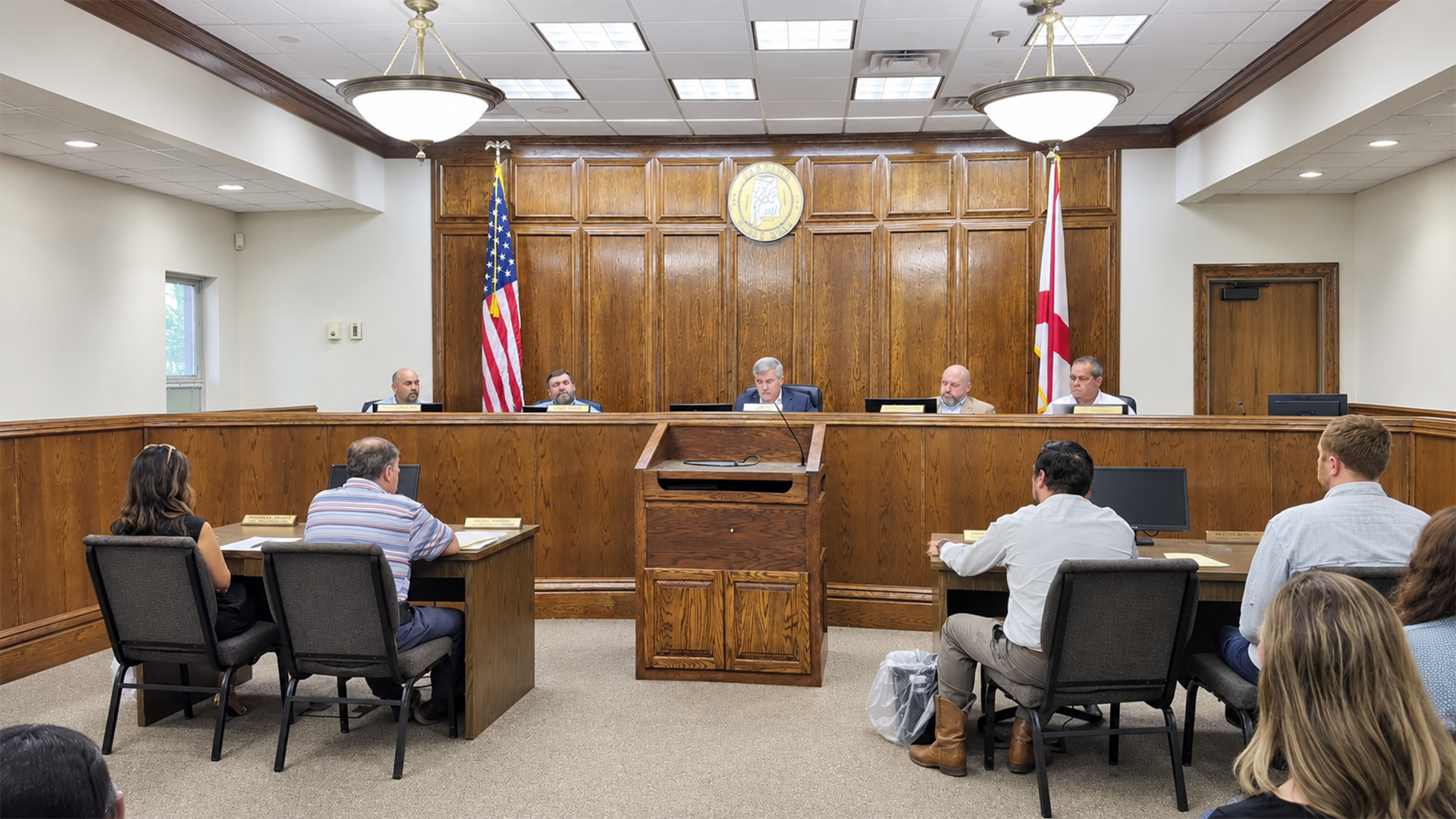
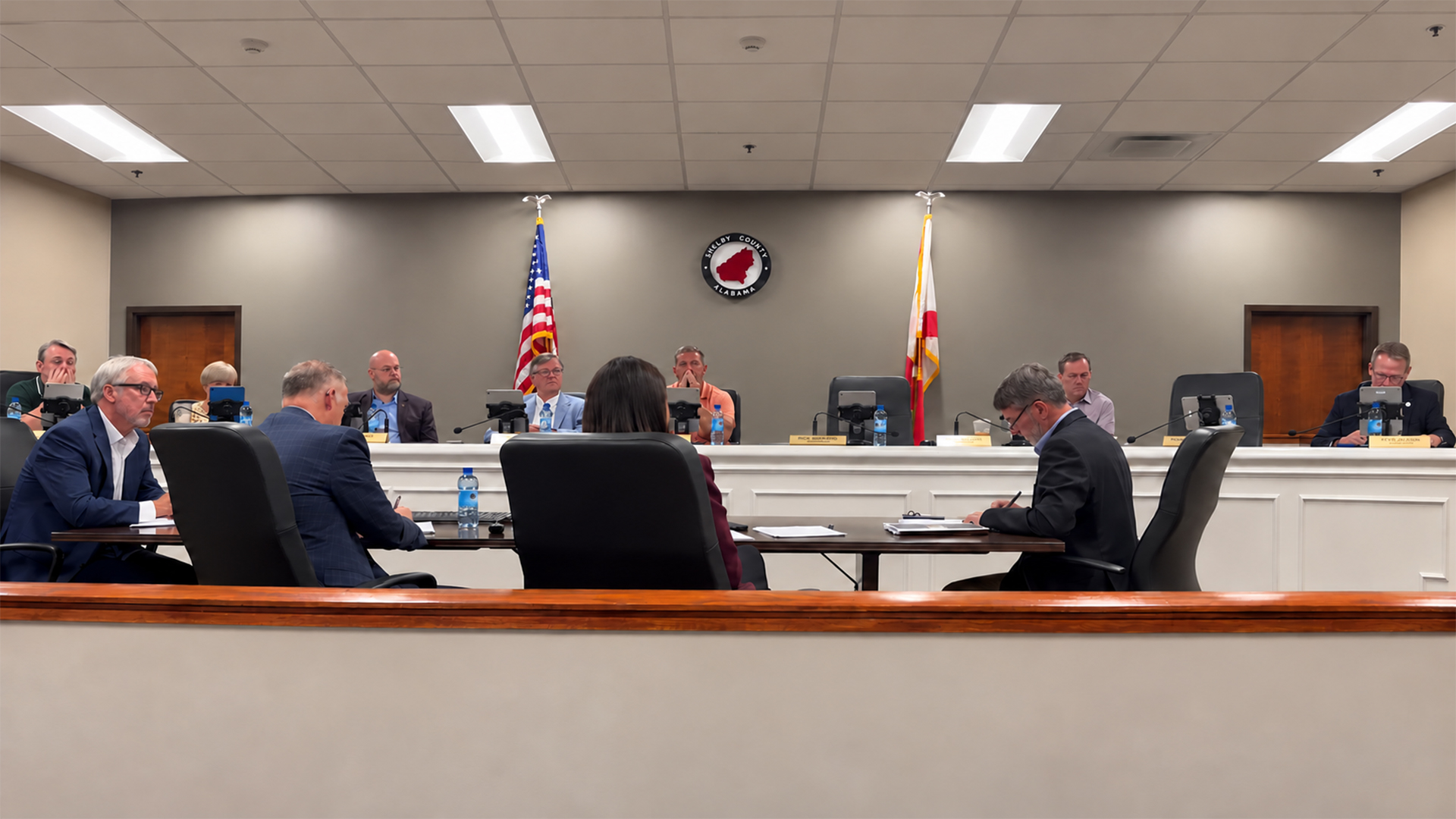
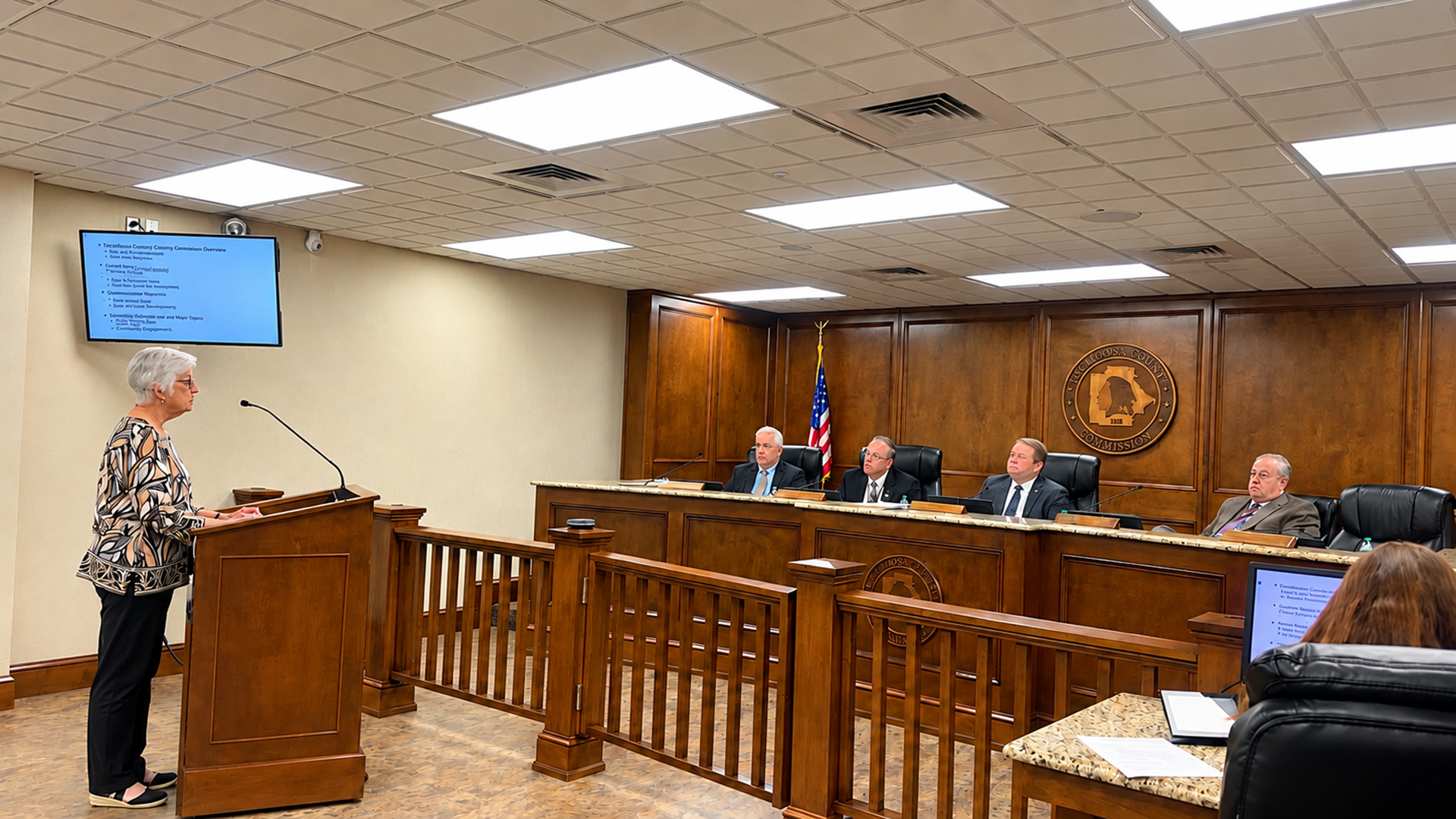
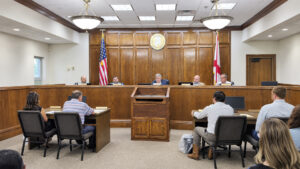
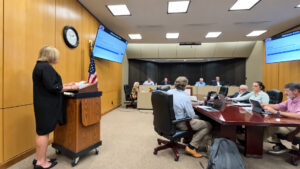
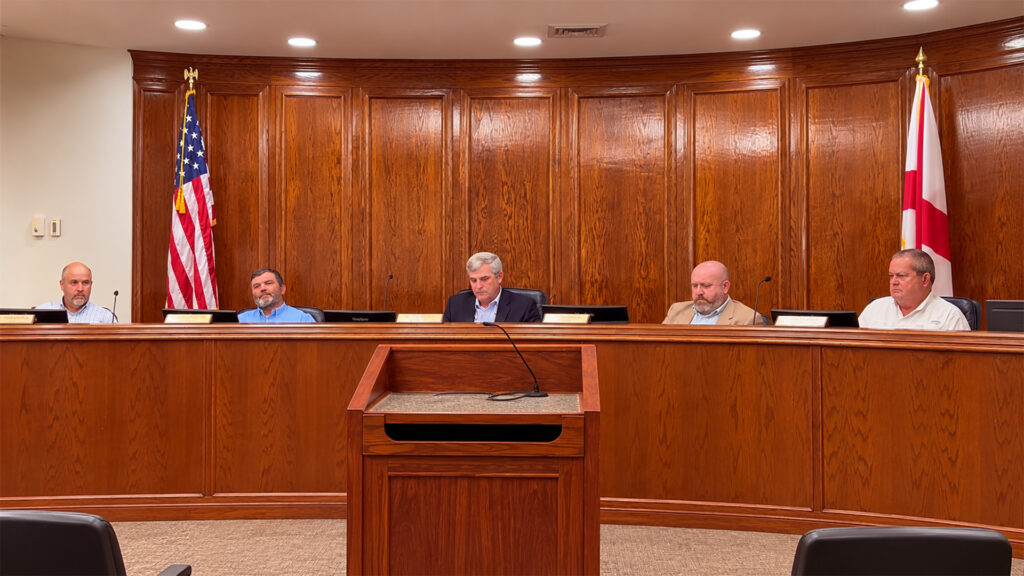
INSERT: Featured image — Autauga County Commission meeting, October 6, 2026, showing the commissioners and meeting chamber.
CAPTION: Members of the Autauga County Commission during a public meeting in Prattville, Alabama.
Foreclosed Property Raises Questions About Voter Registration Accuracy
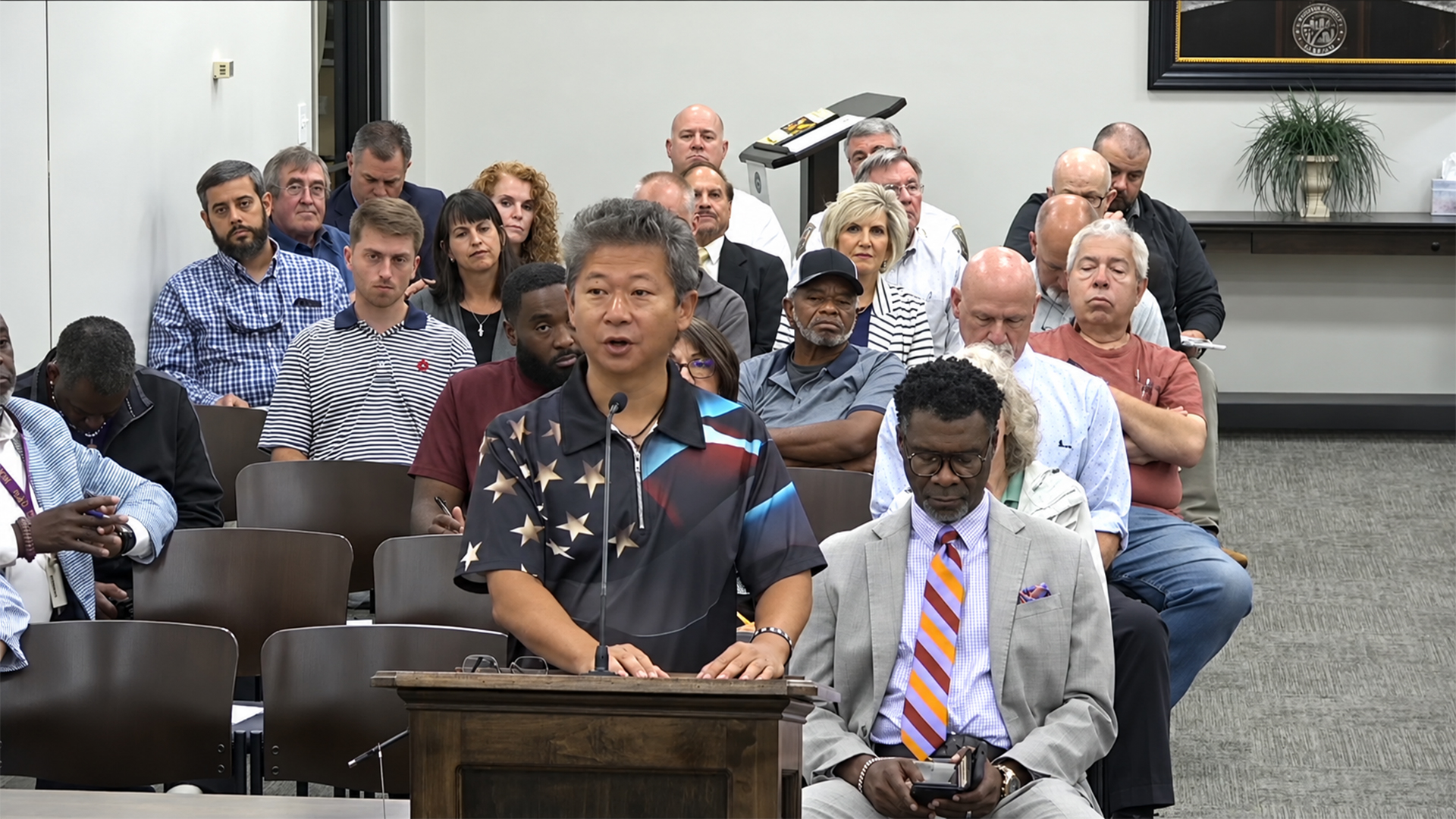
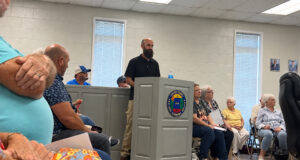
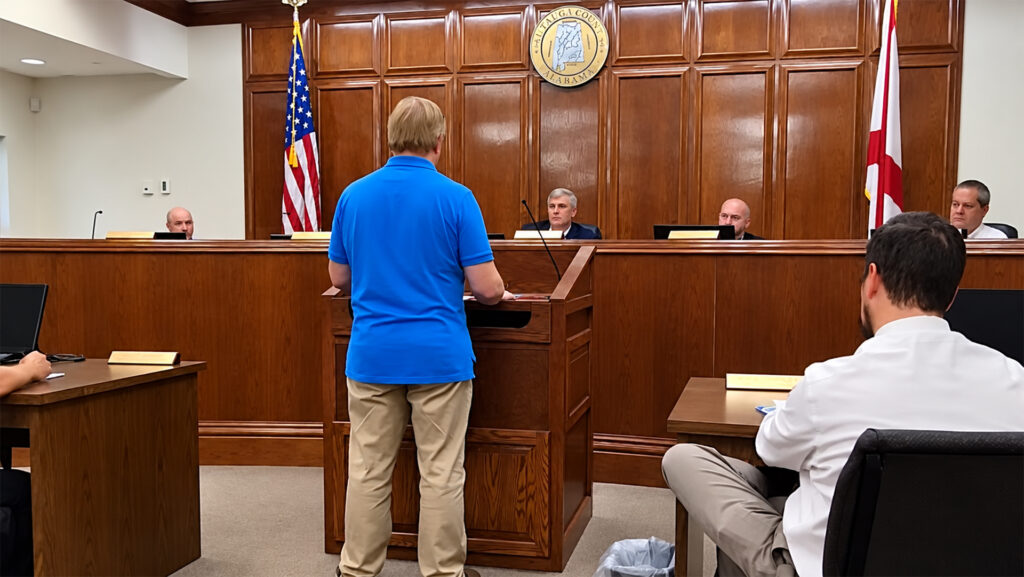
Ted Halley, a resident of Commission District 2, represented by Commissioner Thrailkill, opened his presentation by emphasizing that his findings were not intended to assign blame to local election workers.
Instead, he expressed concern that the voter registration systems imposed at the state level may be preventing county officials from maintaining sufficiently accurate records.
Halley described a single-family residence in Autauga County that he said had been in foreclosure for approximately 16 months. According to his presentation, he verified the property’s status through county property records and personally visited the location to inspect its condition.
He described a property that was unoccupied, with substantial overgrowth obstructing access to the residence.
Despite those conditions, Halley reported finding seven individuals associated with the address in the county’s current voter registration records.
Using National Change of Address (NCOA) information, Halley determined that five of the seven registered individuals had moved out of Alabama, while the remaining two had relocated to other local addresses without updating their voter registrations. He also noted that one of the five individuals who moved out of state had never voted.
His findings illustrate the potential for voter registration records to retain addresses that no longer reflect where registrants actually reside.
Halley also raised concerns about the possibility of individuals remaining registered in Alabama after moving to another state, noting the importance of maintaining accurate records to help prevent improper voting.
The presentation did not establish that any of the individuals associated with the property had voted illegally. Rather, Halley’s investigation focused on discrepancies between recorded voter information and the residential circumstances he documented.
County Attorney Questions Commission’s Authority
Following Halley’s presentation, Autauga County Attorney Kyle Shirley asked him to clarify what action he wanted the County Commission to take.
Following Halley’s presentation, Autauga County Attorney Kyle Shirley asked, “What is it that you’re asking the County Commission to do?” Shirley explained that, based on his research, he understood the Commission’s responsibilities concerning voter registration to be limited to providing funding, rather than directly overseeing the maintenance of voter registration records.
Halley responded that he believed responsibility for voter roll accuracy ultimately involved county government under applicable law. He offered to return with additional legal information explaining his position.
Shirley invited Halley to provide that information for review.
The exchange revealed a disagreement over the County Commission’s responsibilities concerning voter registration accuracy. While Shirley maintained that the Commission’s role was limited to funding, Halley asserted that the county bears broader responsibility under applicable election laws and agreed to provide additional legal documentation supporting his position.
Halley also indicated that he intended to discuss potential financial benefits associated with addressing these issues in a future presentation.
Registration Dates Recorded Before Voters Were Born
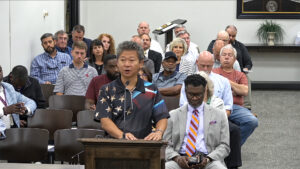
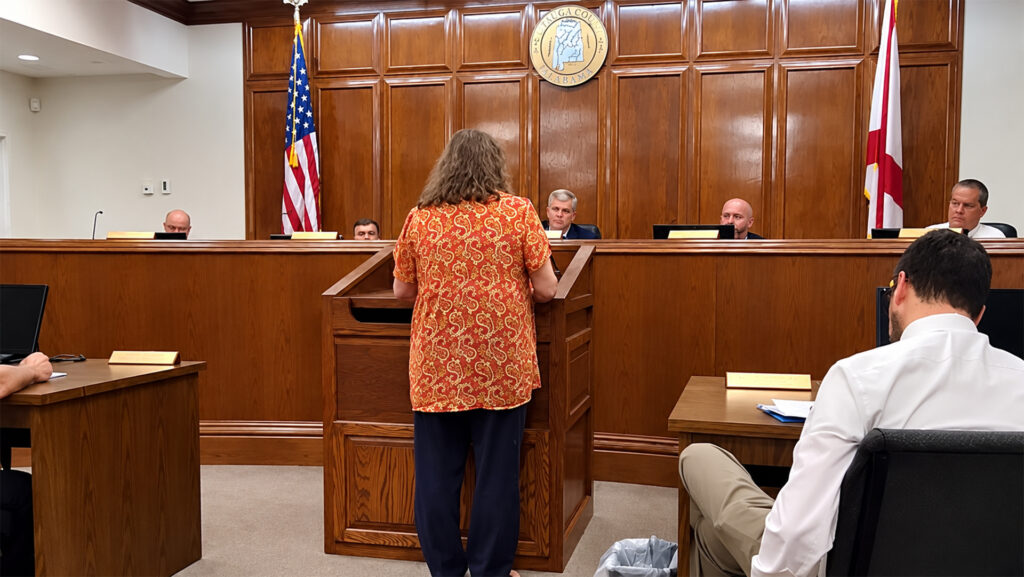
Lori Herring, a resident of Commission District 1, represented by Commissioner Rusty Jackson, followed Halley with another set of findings from her examination of Autauga County voter registration records.
Herring focused on voter registration dates that were recorded before the corresponding registrants’ dates of birth.
To protect the identities of the individuals involved, she identified the records using only the final four digits of their voter identification numbers.
Among the examples she presented were registration dates recorded one month, three months, nine months, and one year and three months before the respective voters were born.
Her most striking example involved a registration date recorded 80 years and five months before the voter’s date of birth.
Such discrepancies raise questions about the accuracy of the underlying registration data, including how historical registration dates are recorded, maintained, and transferred between election systems.
The records described by Herring contain inconsistencies in the registration database. The presentation did not establish the cause of those inconsistencies or whether they affected an individual’s voting eligibility.
Citizens Request Greater Local Oversight
Herring concluded by urging the County Commission to use its public position and influence to improve voter registration accuracy, stating, “We need you, our county commission, to use your influence and platform to help restore local oversight, ensure the absolute accuracy of our county rolls, and protect the integrity of every legal vote in Autauga County.” She emphasized that citizens conducting voter roll research want to work with local officials rather than against them.
Her request followed the earlier exchange between Halley and Shirley concerning the scope of the Commission’s legal authority, underscoring the distinction between the Commission’s direct statutory responsibilities and its potential influence in advocating for changes to election administration.
Continuing the Investigation
The October 6 meeting marked a continuation of the voter registration research previously presented to the Autauga County Commission.
Together, Halley and Herring identified two different categories of discrepancies: registrations associated with addresses that no longer reflect current residency, and registration dates that are earlier than the corresponding voters’ dates of birth.
Halley indicated that he intends to continue presenting information to commissioners and to provide County Attorney Shirley with additional material concerning the legal responsibilities involved.
For the citizens conducting this research, the objective remains improving the accuracy of voter registration records through documented findings, public accountability, and cooperation with local officials.
Watch the October 6, 2026, presentations by Ted Halley and Lori Herring, including the exchange with Autauga County Attorney Kyle Shirley regarding the Commission’s responsibilities.