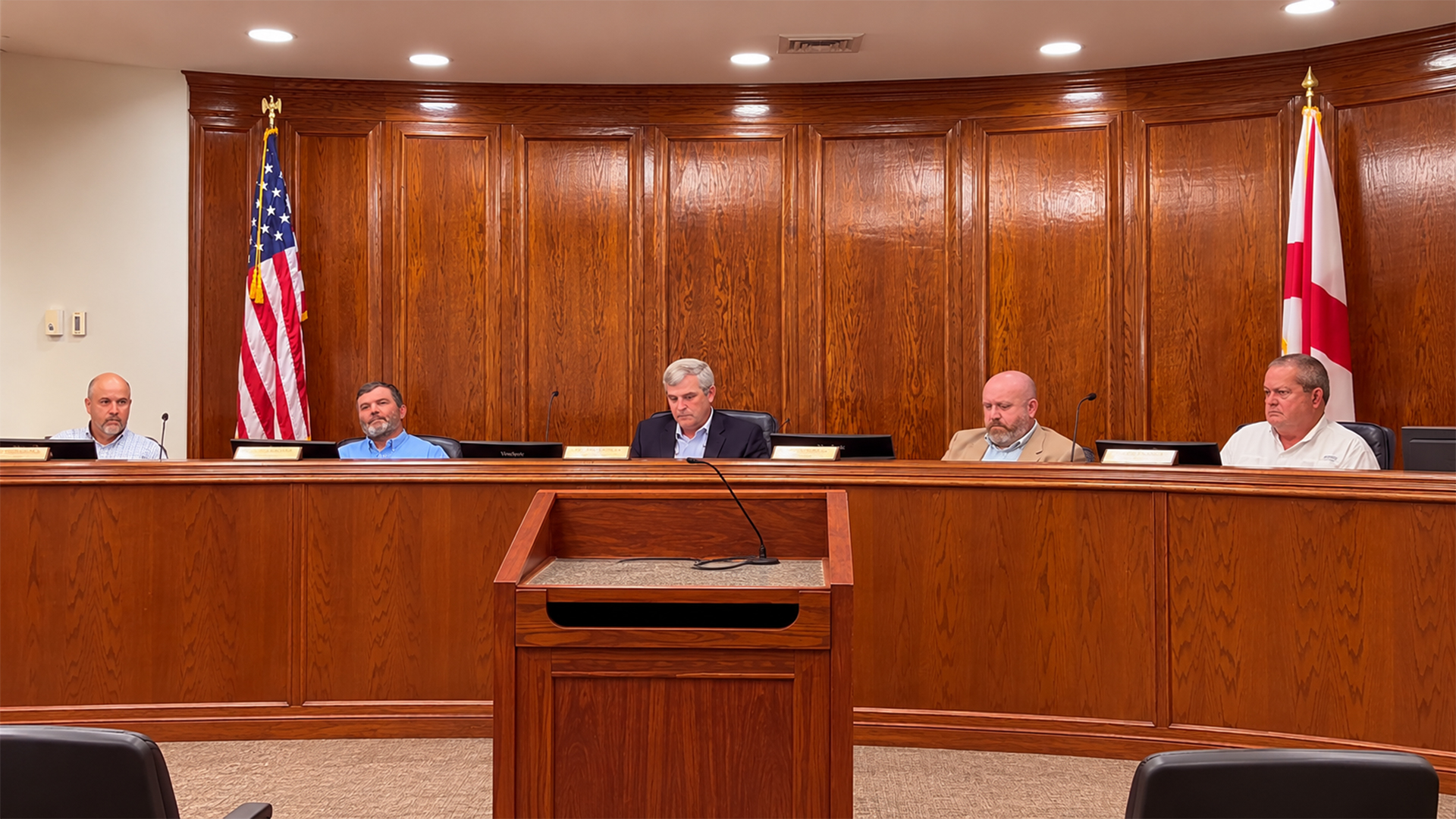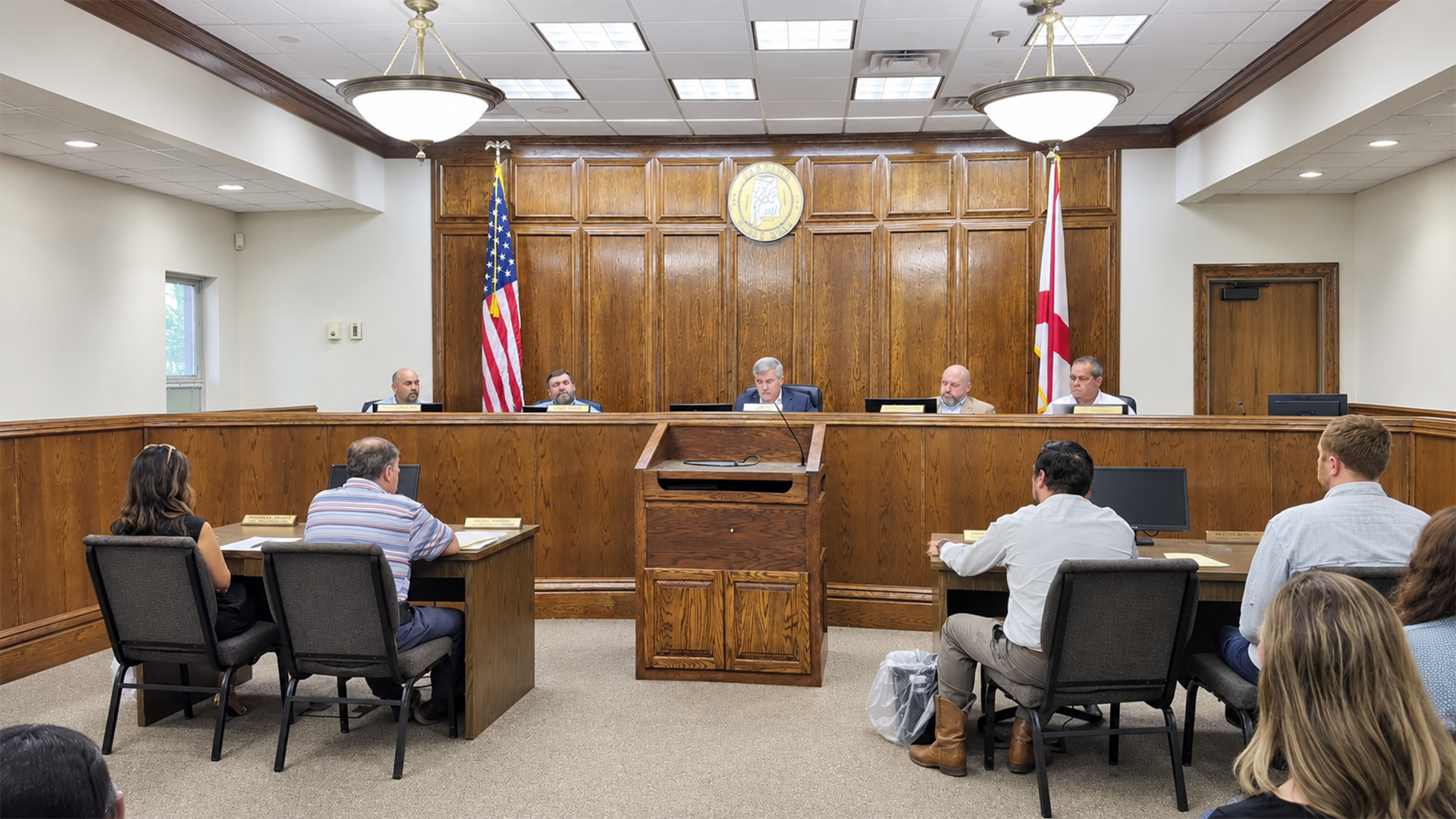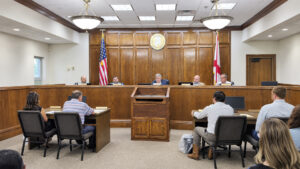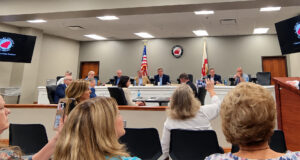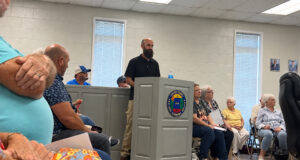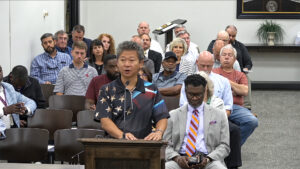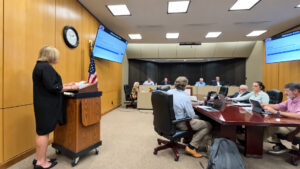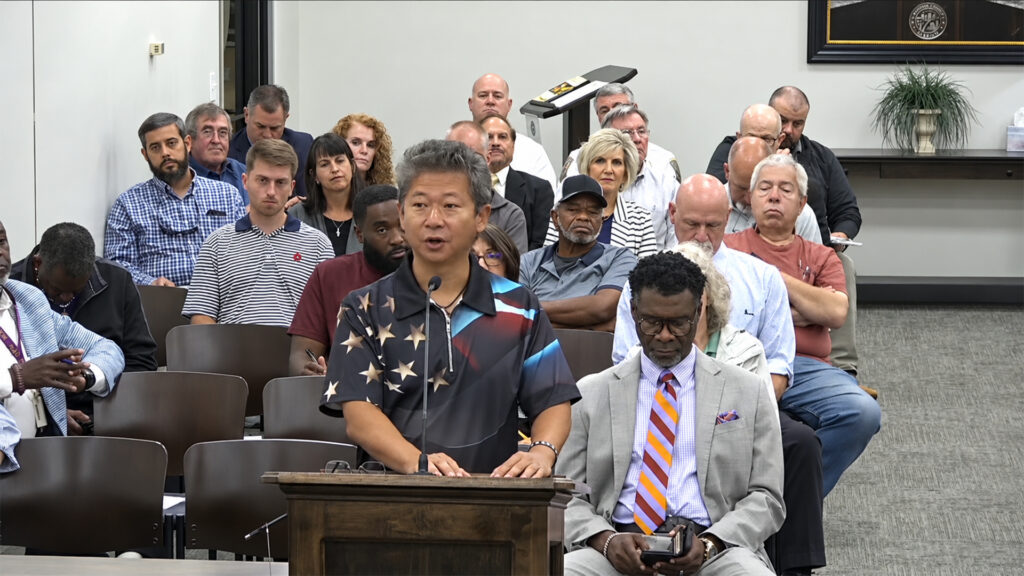
MADISON COUNTY, Ala. — Residents addressing the Madison County Commission on September 23, 2026, presented voter-roll research, personal testimony and requests for stronger local oversight of election records. Their presentations described a deceased registrant with later voting-history entries, registrations associated with disqualifying convictions, and one family’s repeated attempts to correct a registration record.
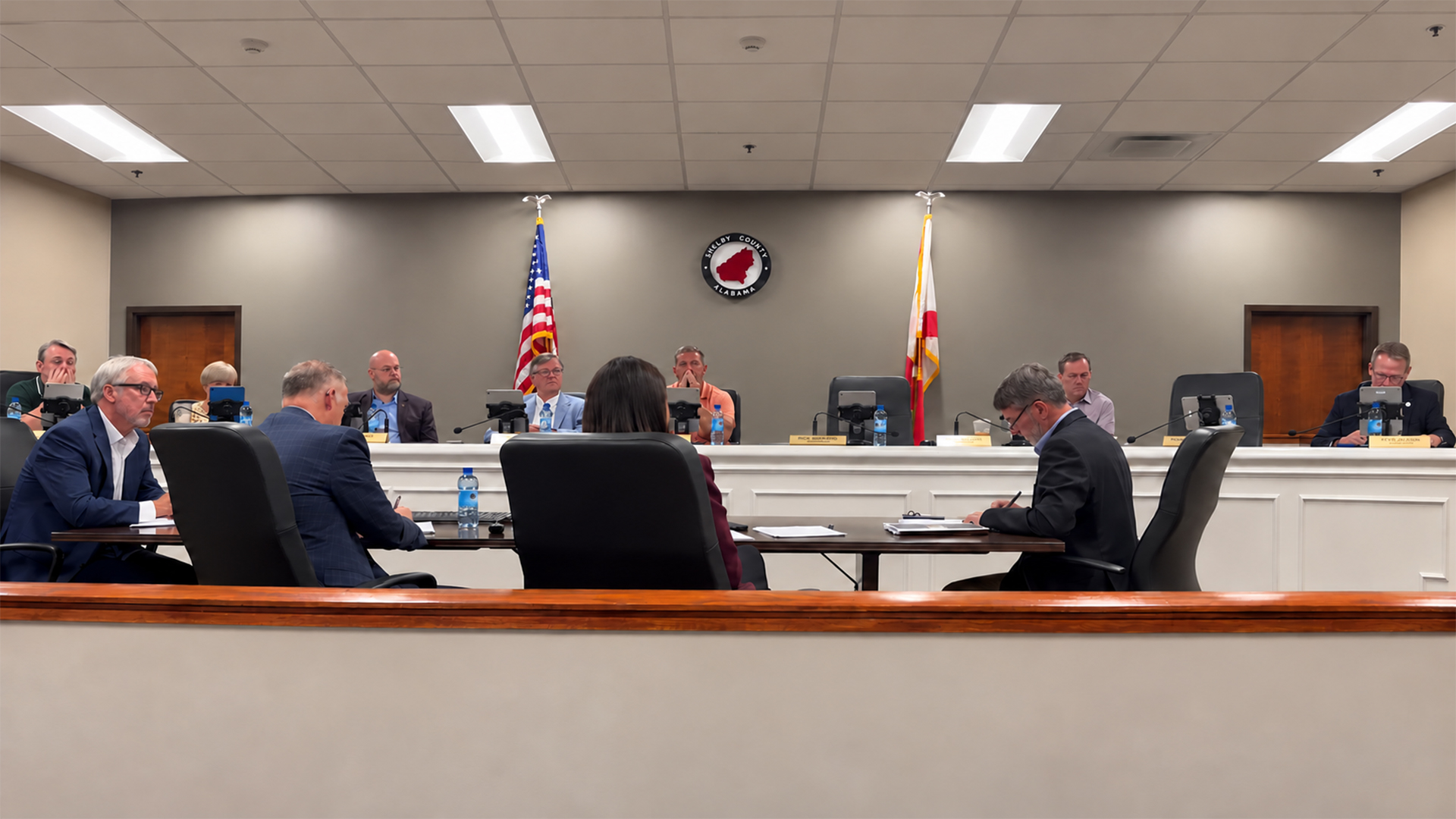
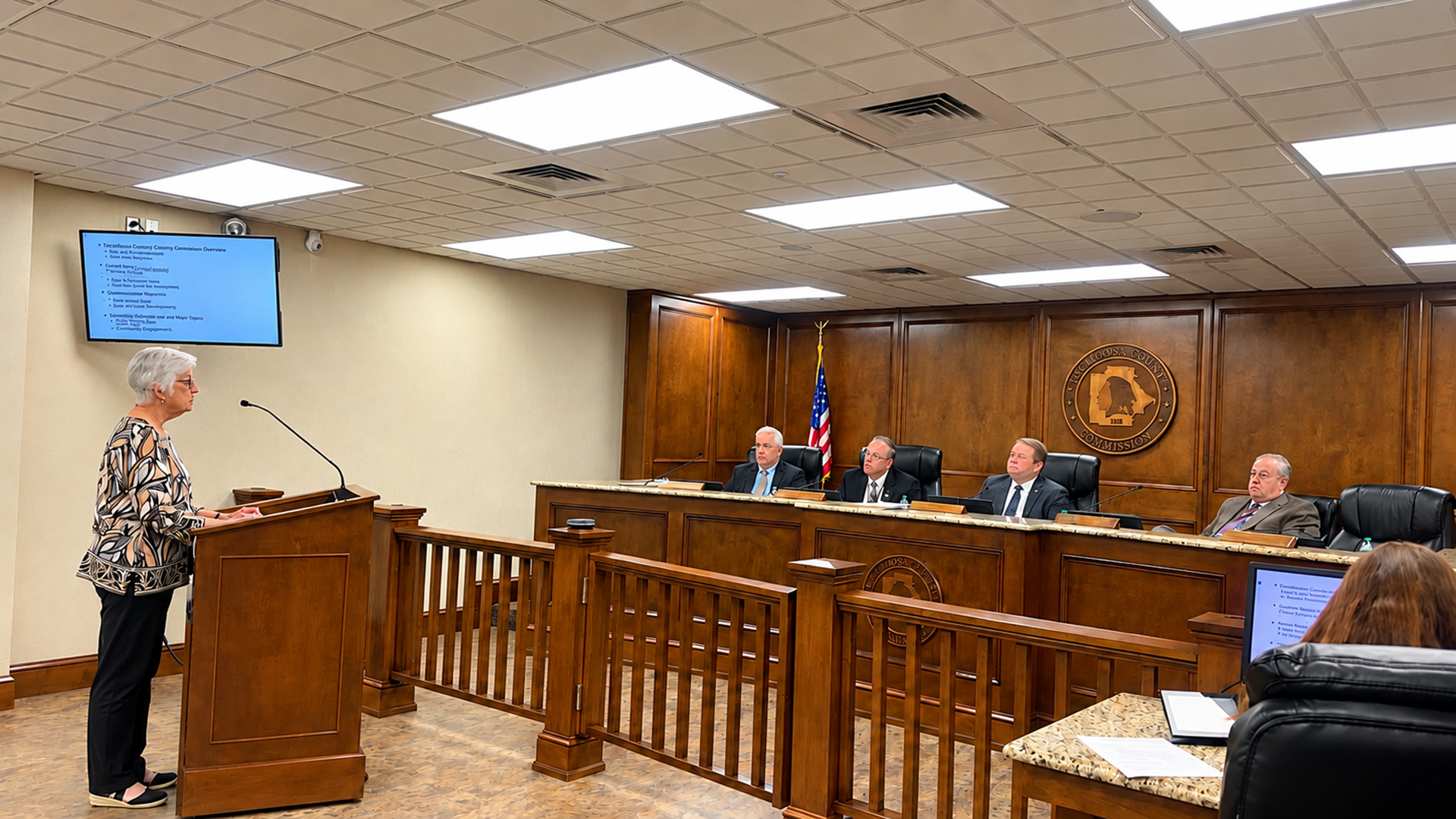
The Madison presentation is part of a growing Alabama effort in which citizen teams investigate voter records in their own counties and bring their findings to local officials. Teams have also addressed county commissions in Autauga, Coffee, Morgan, Shelby, Walker and Tuscaloosa counties. Although each presentation draws on local records and circumstances, the teams share a broader goal: identifying conditions that affect the accuracy of voter rolls and pressing officials for action.
That county-centered approach reflects the broader election-integrity strategy that Dr. Douglas G. Frank has described in his publication “Seven Steps to Take Back Your Elections” and in public talks and interviews across the country. The strategy emphasizes citizens examining local records, sharing their findings with their communities and bringing documented concerns to local officials. The Madison speakers brought that approach to their commission with specific examples and questions about how voter records are maintained.
Watch the Madison County Commission Presentation
Citizen presentations to the Madison County Commission on September 23, 2026. Recorded by Huntsville High School ETV (HHS-ETV) and reproduced with permission from the Madison County Commission.
Tony Kim told commissioners that this grassroots team had spent hundreds of hours over two years examining voter rolls. He said the team identified voter records requiring correction or further action and questioned whether local registrars have the information and control needed to maintain an accurate list.
Sandi Gross presented two examples from the team’s research. She said researchers compared Madison County voter records with public sex-offender records and identified people with disqualifying convictions who remained on the voter rolls. In one case, she said, the records showed a man voting in the 2018, 2020, 2022 and 2024 elections despite a disqualifying conviction. Gross said the team found additional cases involving registrations and voting histories.
Gross also described a woman who died in 1988 but was still listed as an active voter in records the team obtained. According to Gross, the woman’s voting history showed entries in 2008 and 2010, more than 20 years after her death. Gross said the team did not know who cast the ballots associated with those entries.
“I am not standing here today to tell you who cast that ballot,” Gross told commissioners. “We don’t know.”
Gross said the examples raised questions about the information available to county registrars. She acknowledged the state’s use of the Alabama Voter Integrity Database, or AVID, but said the team’s findings pointed to remaining gaps. She asked commissioners to take the research seriously and support giving registrars the tools and information needed to maintain accurate rolls.
William Beardsley gave commissioners a separate account involving his wife. He said she was a lawful permanent resident, meaning she was not eligible to vote, but their daughter saw her name on a voter list in 2008. Beardsley said they completed a voter removal request form, which he identified as NVRA-25, and submitted it three times over the following years in an effort to remove her registration. During the 2020 election cycle, he said, his wife received election mailings from both Madison and Jackson counties. He told commissioners that she did not vote while she was a noncitizen and that the family disposed of the materials.
Beardsley said his wife has since become a U.S. citizen. When they went to register her for the primaries, he said, they found her record still associated with District 4, although the family had moved to District 3 years earlier. He asked how the original registration occurred, why the attempts to correct it did not resolve the matter, and who sent the election mailings.
Other speakers focused on oversight and the systems used to maintain election records. Molly Elrod questioned whether registrars can readily access the information needed to verify eligibility and resolve duplicate or inconsistent records. Chris Kennedy urged commissioners to monitor the county’s election infrastructure and work with residents on voter-roll concerns.
Donald Barnes asked whether the commission would fund an audit of Madison County’s voter rolls or request a statewide audit. Mike Siebert, recounting his experiences as a judicial candidate, also called for an investigation into registration concerns he raised.
The speakers’ requests varied, but they shared a central concern: whether Madison County officials have the records, tools and oversight needed to identify and resolve voter-list discrepancies. Chairman Rex Vaughn thanked the speakers for their comments. Commissioners took no vote and made no commitment to the requested audit or other action during this portion of the meeting.
For the Alabama teams, the Madison presentation adds another county’s research and residents’ experiences to an effort already brought before several commissions. The speakers questioned whether registrars can fully carry out their responsibilities without the information and authority needed to keep voter records accurate. Their primary goal is to restore local control of voter rolls to the counties rather than rely on the centralized system maintained by Election Systems & Software (ES&S) in Omaha, Nebraska.
To learn more about this grassroots election-integrity effort, visit “Get Involved” in the menu at the top of this page.